
Signs of Synthetic Chemicals in Skincare

Table of Contents
How Synthetic Chemicals in Skincare Show Up on Your Skin
Why Your Skin Reacts the Way It Does
Signs of Synthetic Chemicals in Skincare: What to Watch For
Redness, Itching and Burning
Breakouts, Dryness and Scalp Changes
Common Skincare Irritants and Where They Hide
Parabens, Sulfates and Formaldehyde Releasers
Synthetic Fragrance in Skincare: The Hardest Ingredient to Spot
How to Read Skincare Ingredient Labels Step by Step
Patch Testing Skincare Products Before You Commit
What to Do After a Suspected Reaction
Frequently Asked Questions
Last Updated: October 5, 2026
How Synthetic Chemicals in Skincare Show Up on Your Skin
Signs of synthetic chemicals in skincare usually appear as redness, itching, burning, dryness or breakouts within minutes to days of use. The culprit is often a synthetic preservative, fragrance or sulfate hiding behind a friendly label. This guide shows you the warning signs, the ingredients to check, and how to test anything new before it touches your whole face.
Why Your Skin Reacts the Way It Does
Your skin is a barrier, not a shield. It absorbs what you put on it, and some synthetic chemicals disrupt that barrier over time. Once the barrier weakens, moisture escapes and irritants get in more easily.
That is why a product can feel fine for a week, then suddenly sting. The reaction builds quietly. Many people blame a new product when the real problem started weeks earlier.
The good news: once you know what to look for, you can spot trouble fast.
Signs of Synthetic Chemicals in Skincare: What to Watch For
Signs of synthetic chemicals in skincare fall into two groups: immediate reactions and slow-building ones. Immediate signs show up within minutes. Slow signs take days or weeks to appear.
Watch for these common signals:
Redness or flushing that was not there before
Itching, tingling or a warm, burning feeling
Dryness, flaking or tightness after cleansing
New breakouts in areas you rarely get them
Stinging around the eyes or lips
If two or more of these show up together, stop using the product and read the label.
Redness, Itching and Burning
Redness, itching and burning are the fastest signs of a reaction. They usually point to contact dermatitis, which is inflammation caused by direct contact with an irritant or allergen (Contact dermatitis - treatments, symptoms and prevention).
Irritation tends to build with repeated use. Allergy can hit on first contact, even with something you have used before. Both feel similar, but they need different responses.
Do not push through the sting. A product that burns is not "working."
Breakouts, Dryness and Scalp Changes
Breakouts and dryness often get blamed on hormones or stress. Sometimes the real cause is the product itself. Sulfates strip natural oils, which leaves skin tight and dry. Heavier synthetic ingredients can clog pores and trigger spots.
Your scalp gives clues too. Watch for:
Itching or flaking that started with a new shampoo
Dandruff that will not clear
A dry, tight scalp after washing
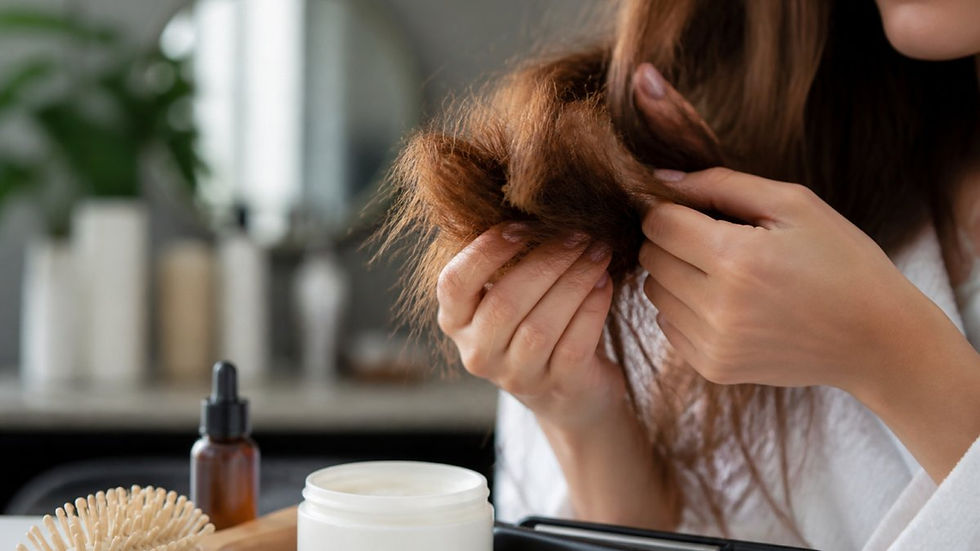
Scalp irritation and hair breakage are common signs that a shampoo or conditioner is too harsh.
Common Skincare Irritants and Where They Hide
Common skincare irritants include preservatives, foaming agents and fragrance chemicals. They hide in cleansers, moisturisers, shampoos and even "sensitive skin" ranges.
The tricky part is naming. The same chemical can appear under several different names on one label.
Parabens, Sulfates and Formaldehyde Releasers
Parabens are preservatives that stop bacteria and mould growing in a product. You will see them listed as methylparaben, propylparaben or butylparaben. Some people react to them, especially on broken or sensitive skin.
Sulfates are the foaming agents that make cleansers lather. Look for SLS and SLES. They are effective at removing oil, which is exactly why they can leave skin and scalp dry and irritated.
Formaldehyde releasers are preservatives that slowly release small amounts of formaldehyde to keep a product stable. Names to check include DMDM hydantoin, diazolidinyl urea and quaternium-15. These are among the more common causes of allergic contact dermatitis.
A few other names worth knowing:
Isothiazolinones (methylisothiazolinone, methylchloroisothiazolinone) in liquid soaps and wipes
Phthalates, often hidden inside "fragrance"
Hydroquinone, a skin-lightening agent that needs medical guidance
Watch Out A product labelled "natural" can still contain synthetic preservatives. In Australia, "natural" is not a regulated claim on cosmetics, so the label alone proves nothing. Always check the ingredient list, not the front of the bottle.
Synthetic Fragrance in Skincare: The Hardest Ingredient to Spot
Synthetic fragrance is the hardest ingredient to spot because it hides under one word: "fragrance" or "parfum". That single term can cover dozens of chemicals, and you will never see them listed.
Fragrance is one of the top causes of allergic contact dermatitis in cosmetics. If your skin reacts but the label looks clean, fragrance is the first suspect.
Where it hides:
Moisturisers and serums sold as "soothing"
Shampoo, conditioner and body wash
Laundry detergents and fabric softeners
"Unscented" products, which may still contain masking fragrance
If you have reactive or sensitive skin, fragrance-free is safer than unscented.
How to Read Skincare Ingredient Labels Step by Step
Reading a skincare ingredient label takes about two minutes once you know the order. Ingredients are listed from highest to lowest concentration, so what appears first matters most. Anything after the preservatives is usually present at very low levels.
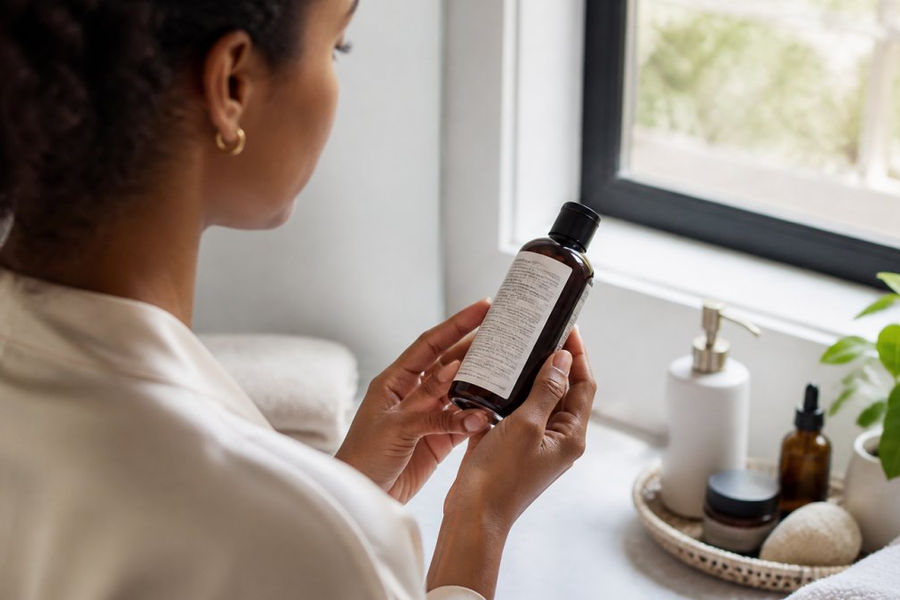
Follow these steps:
Check the first five ingredients. These make up most of the product. If a known irritant is in the first five, it is worth avoiding.
Scan for sulfate names. Look for sodium lauryl sulfate (SLS), sodium laureth sulfate (SLES), ammonium lauryl sulfate and sodium coco-sulfate.
Look for paraben names. Anything ending in -paraben, such as methylparaben, propylparaben or butylparaben.
Search for formaldehyde releasers. DMDM hydantoin, diazolidinyl urea, imidazolidinyl urea, quaternium-15, bronopol and sodium hydroxymethylglycinate.
Find fragrance terms. "Fragrance", "parfum", "aroma" and "essential oil blend" can each cover dozens of individual chemicals. In Australia, fragrance components do not have to be listed individually on the label.
Note isothiazolinones. Methylisothiazolinone and methylchloroisothiazolinone appear in liquid soaps, wipes and some leave-on products.
Check for phthalates. These are rarely listed by name and are often covered by the word "fragrance".
Compare against products that already irritated your skin. The pattern is usually there once you look for it.
Ingredient synonyms to know. The same chemical can appear under several names on one label. A few common examples:
SLS: sodium lauryl sulfate, sodium dodecyl sulfate
SLES: sodium laureth sulfate, sodium lauryl ether sulfate
Parabens: methylparaben, ethylparaben, propylparaben, butylparaben
Formaldehyde releasers: DMDM hydantoin, diazolidinyl urea, quaternium-15
Fragrance: parfum, aroma, fragrance
Keep a simple note on your phone listing the names that caused a reaction. It makes future shopping much faster, and it helps a doctor or dermatologist if you later need patch testing.
Pro Tip Take a photo of the ingredient list before you buy online. Many brands change formulas without changing the packaging, so the label you trusted last year may not match the bottle you receive today.
Patch Testing Skincare Products Before You Commit
Patch testing is the safest way to try a new product. It checks how your skin responds before you apply it to your face.
Here is how to do it:
Choose a small area of skin, such as the inner forearm.
Apply a small amount of the product.
Leave it for 24 hours without washing the area.
Check for redness, itching or swelling.
If clear, repeat for two more days.
Only then introduce it to your face or scalp.
A patch test will not catch every reaction, but it catches most. If you have a history of severe reactions, speak with your doctor or a dermatologist before testing at home.
What to Do After a Suspected Reaction
Stop using the product straight away. Do not wait to see if it settles, and do not try to "push through" the reaction.
Then:
Wash the area with cool water and a plain, fragrance-free cleanser
Skip actives, exfoliants and anything with fragrance for a few days
Note the product name, batch number and the date the reaction started
Take a photo of the irritated area for your records
Use a simple, plain moisturiser to support the barrier while it recovers
If the reaction is severe, spreading, or involves swelling, blistering or eye irritation, seek medical help. For a suspected allergic reaction, a doctor can arrange proper allergy testing to identify the exact trigger.
Once your skin has settled, review the ingredient list and compare it with products that have worked for you. The pattern is usually there.
Reactions to synthetic ingredients are common, and they are frustrating when you have already spent money on a product. The fix is not to give up on skincare, but to choose formulas built without the usual triggers. At C&C Elegance, our range is 100% plant-derived, vegan and cruelty-free, and free from synthetic chemicals and artificial fragrances. Every formula is developed by Dr. Chantal B, whose PhD background in cancer research and aged care shapes how we build each product. If your skin has had enough of guessing, explore our botanical skincare and hair care range and start with something your barrier can trust.
Frequently Asked Questions
How can you tell if skincare contains synthetic ingredients?
Check the ingredient list for names like parabens (methylparaben, propylparaben), sulfates (SLS, SLES), phthalates, formaldehyde releasers (DMDM hydantoin, quaternium-15) and isothiazolinones. Fragrance or parfum on a label can also signal synthetic fragrance, since it is a catch-all term that may cover dozens of undisclosed compounds. The shorter and more recognisable the list, the easier it is to identify what you are putting on your skin.
Are synthetic ingredients in skincare always harmful?
No. Many synthetic ingredients are safe at the concentrations used in cosmetics, and dose matters. The issue is not synthetic versus natural as a blanket rule. Some people react to specific preservatives, fragrance compounds or sulfates regardless of origin, while others use the same products for years without a problem. If your skin is reactive, focus on identifying your own triggers rather than avoiding everything synthetic.
How can I identify synthetic fragrance on a skincare label?
Look for the words fragrance, parfum or aroma on the ingredient list. These terms are legal catch-alls that can hide a blend of synthetic compounds such as lilial or phthalates. If a product claims to be fragrance-free but lists parfum, treat that claim with caution. Choosing products that state the actual botanical oils used, rather than a generic fragrance entry, makes it easier to know what you are applying.
What should I do if a product causes a reaction?
Stop using the product immediately and rinse the area with cool water. Note the product name, the date and your symptoms so you can compare later. Apply a plain, fragrance-free moisturiser to soothe the skin and avoid actives until it settles. If the reaction is severe, spreading or does not improve within a few days, see a doctor or dermatologist. Take the product with you so they can review the ingredient list.
Shop Now


Comments